November 7, 2026
Commercial entryways serve as the frontline of any commercial facility, managing constant foot traffic, preserving indoor environmental conditions, and securing valuable assets. Because these entrances endure repeated daily cycles, mechanical parts naturally experience wear and tear over time. When a door begins to stick, swing erratically, or fail to latch completely, it can be tempting for facility managers to postpone service in favor of other immediate operational priorities. However, minor hardware problems rarely resolve on their own. In commercial environments, ignoring seemingly minor entrance defects frequently triggers a chain reaction of mechanical failures, life safety compliance issues, unnecessary heating and cooling expenditures, and security vulnerabilities. Understanding the risks associated with deferring professional attention helps property owners maintain dependable, code-compliant access points across their properties.
Compromising Facility Security and Access Control
Failing Latches Create Direct Physical Vulnerabilities
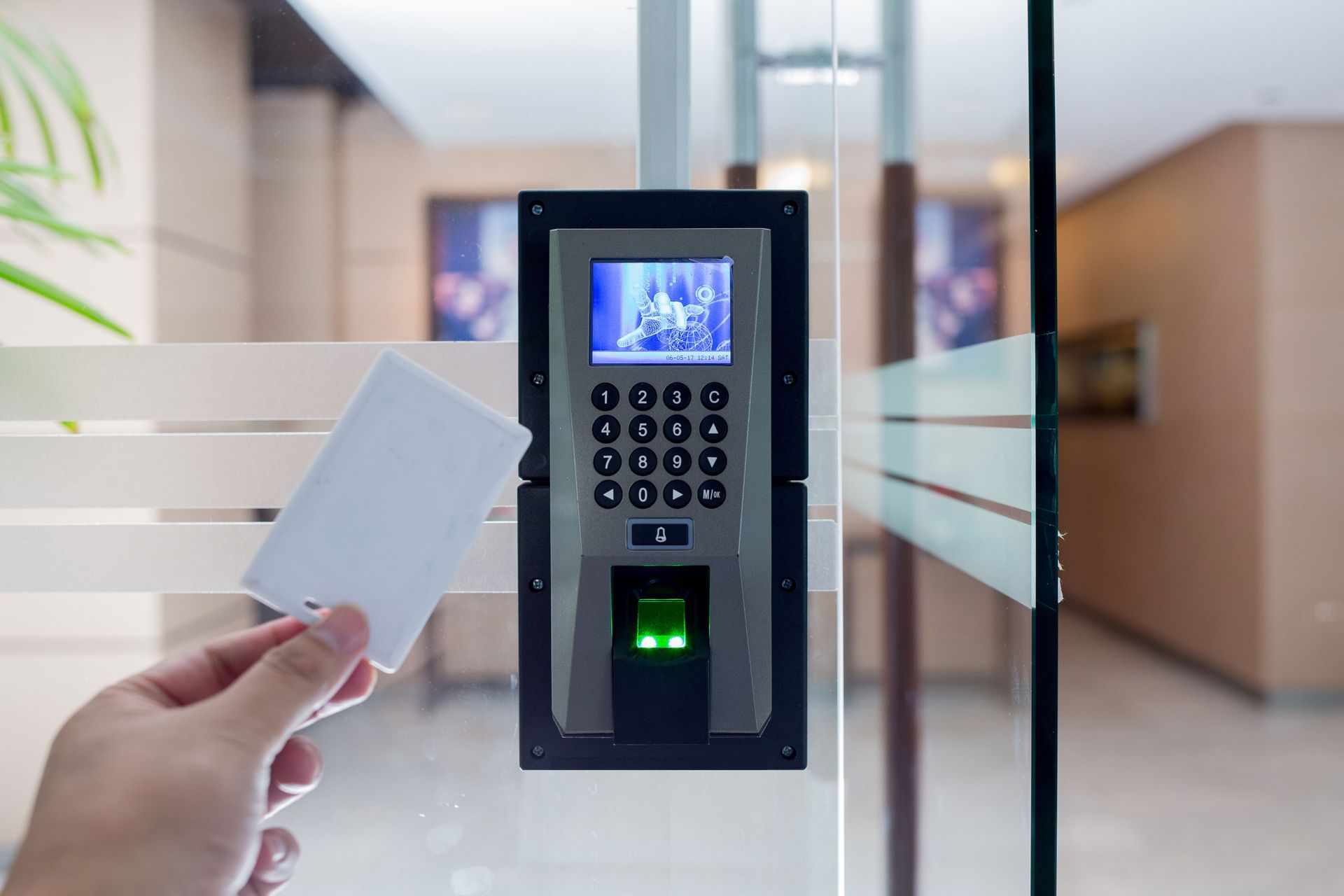
An exterior door that does not close fully or latch reliably creates an immediate physical security hazard. In many modern commercial facilities, entryways are integrated with magnetic locks, electronic strikes, or card readers designed to restrict access after hours. When structural misalignment or worn internal mechanisms prevent the latch bolt from fully seating into the strike plate, access control systems cannot engage properly. This leaves an entrance vulnerable to unauthorized entry, tampering, or forced intrusion. Addressing early latching inconsistencies through timely entry door repair ensures that exterior doors close securely on every cycle, preserving the physical perimeter of the property.
Malfunctioning Sensors Expose High-Traffic Entrances to Breaches
Automated entryways rely heavily on motion sensors, presence detectors, and safety beams to control traffic flow. When these electronic components fall out of calibration or suffer environmental damage, doors may remain held open indefinitely or fail to lock during scheduled lockdown hours. Delayed service compromises not only the perimeter of the structure but also interior containment zones that depend on automated compartmentalization. Relying on an experienced commercial door company to inspect electronic locks and sensors maintains the integrity of automated access barriers.
Increasing Everyday Safety Hazards and Liability
Sudden Mechanical Failures Threaten Occupant Safety
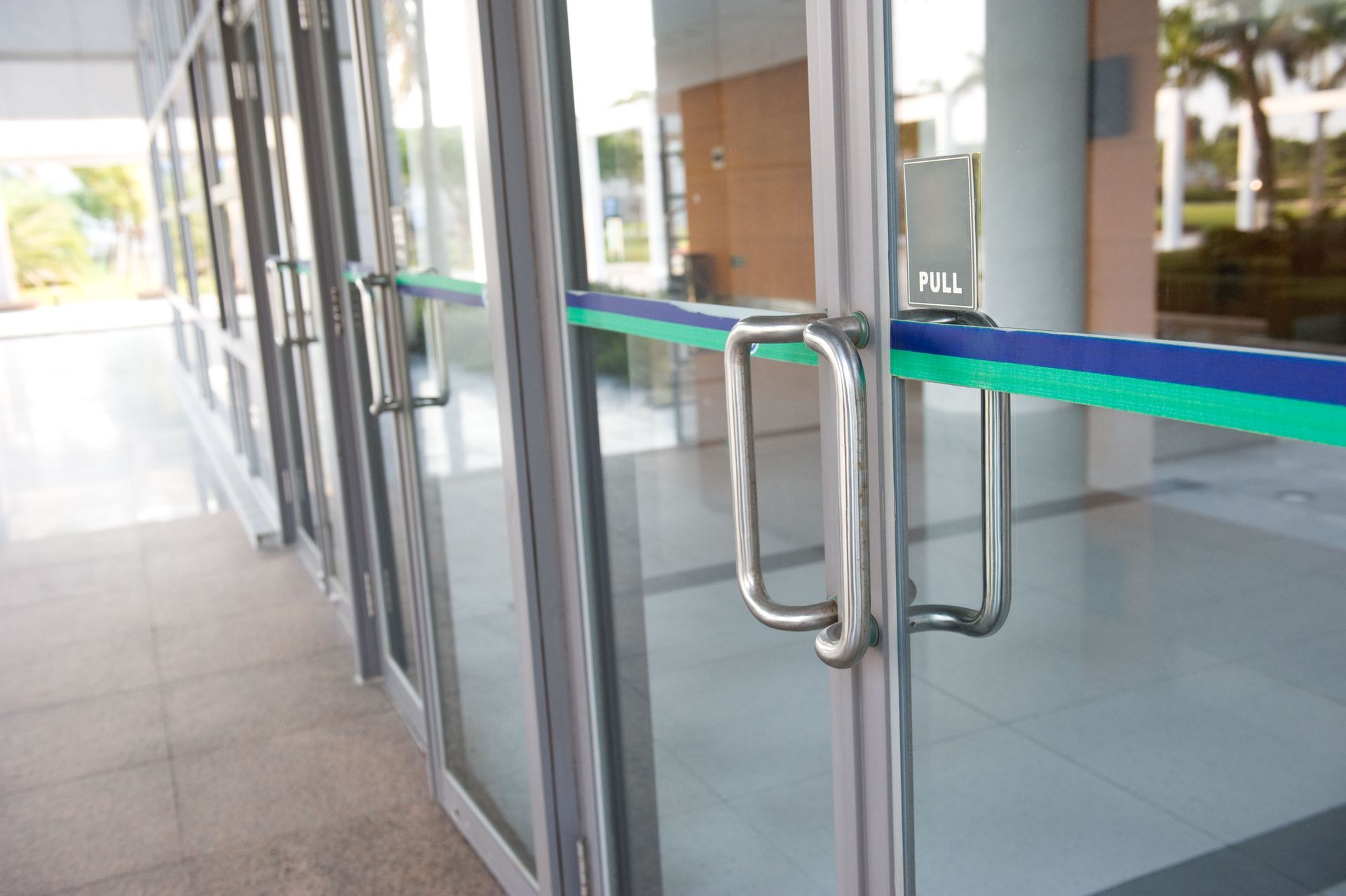
Commercial entrances cycle open and shut hundreds or even thousands of times every day. When mechanical components such as heavy-duty hinges, pivots, hydraulic closers, or track rollers degrade, the door no longer moves predictably. A worn closer can lose its dampening fluid, causing a heavy glass or steel leaf to slam shut with significant force. Conversely, loose pivots can cause a heavy door panel to drop, bind against the threshold, or detach from its frame. Timely commercial door repair resolves minor hardware fatigue before erratic movement leads to severe personal injuries, property damage, or costly premises liability claims.
Outdated or Uncalibrated Systems Risk Regulatory Penalties
Commercial buildings are subject to strict life safety and accessibility guidelines, including the Americans with Disabilities Act, local fire safety codes, and standards established by the American Association of Automatic Door Manufacturers. Exit pathways must remain operable without special knowledge or excessive physical force, ensuring occupants can evacuate rapidly during an emergency. Doors with delayed closing speeds, excessive opening resistance, or malfunctioning panic bars can fail municipal fire inspections and incur substantial fines. Regular commercial door services ensure that all egress mechanisms operate smoothly and fully comply with current life safety codes.
Accelerating Damage Across Adjacent Components
Minor Misalignment Strains Frame Assemblies and Hardware
A single compromised component on an entry door rarely suffers in isolation. For example, if a bottom pivot pin begins to sag, the entire door leaf shifts out of square within the opening. Rather than distributing weight evenly, the remaining hinges and the door frame absorb excessive shear loads. The door may begin dragging across the threshold, scraping weatherstripping, and gouging flooring finishes. In turn, the latch strike experiences severe lateral pressure, causing the lock cylinder and latch bolt to deform. Scheduling entry door repair at the very first sign of friction prevents isolated component wear from propagating throughout the entire surrounding architectural assembly.
Unaddressed Mechanical Strain Forces Premature Door Replacement
When early mechanical signs like squeaking hinges, delayed closing action, or loose fasteners are neglected, the cumulative physical stress can permanently twist or crack the door leaf and frame. Hollow metal doors can warp beyond repair, while architectural glass doors face an elevated risk of stress fractures if metal edges collide with misaligned headers or jambs. According to research published by ZipDo, the commercial door industry in the United States is anticipated to expand at an annual pace of 4.1% between 2022 and 2032, propelled largely by growth in healthcare infrastructure. As commercial facilities expand and invest heavily in entrance systems, protecting these architectural investments through routine commercial door repairs proves far more practical than replacing entire entrance assemblies prematurely.
Escalating Facility Energy Costs and Operational Losses
Damaged Weather Seals Disrupt HVAC Efficiency
Exterior doors form a critical barrier in a building's thermal envelope. Commercial entrances rely on brush sweeps, perimeter gasketing, and insulated frames to keep conditioned indoor air inside while blocking exterior temperature extremes. When a door does not hang plumb or seat firmly against its frame stops, large air gaps open up around the perimeter. Conditioned air escapes continuously, creating drafts, forcing commercial heating and cooling equipment to run overtime, and significantly driving up utility expenses. Timely entry door repair restores accurate door alignment and tight perimeter sealing, directly supporting facility energy conservation goals.
Inconsistent Operational Performance Frustrates Customers and Staff
The primary entrance is the first functional element visitors, clients, and employees interact with upon arriving at a facility. A door that requires excessive force to push open, catches halfway through its swing, or rattles in the wind creates an immediate impression of poor facility maintenance. In retail spaces, corporate offices, and healthcare environments, difficult entrances frustrate patrons and can disrupt traffic flow during peak hours. Professional commercial door services keep entrances operating silently, smoothly, and effortlessly, ensuring every visitor experiences a seamless transition into the building.
Transforming Manageable Maintenance Into Emergency Disruptions
Minor Friction Rapidly Becomes Inoperable Jamming
Postponing basic service often converts an affordable, scheduled maintenance appointment into an unexpected operational emergency. A door closer that is slightly out of adjustment may function marginally for a few weeks, but complete fluid loss or internal valve failure can occur without warning during a busy workday. If a primary entrance jams open during inclement weather, or binds shut and prevents customers from entering, normal business operations grind to a halt. When minor symptoms appear, scheduling proactive commercial door repairs keeps entrances fully operational on your timetable rather than causing unexpected interruptions.
Automated Mechanisms Require Certified Preventative Attention
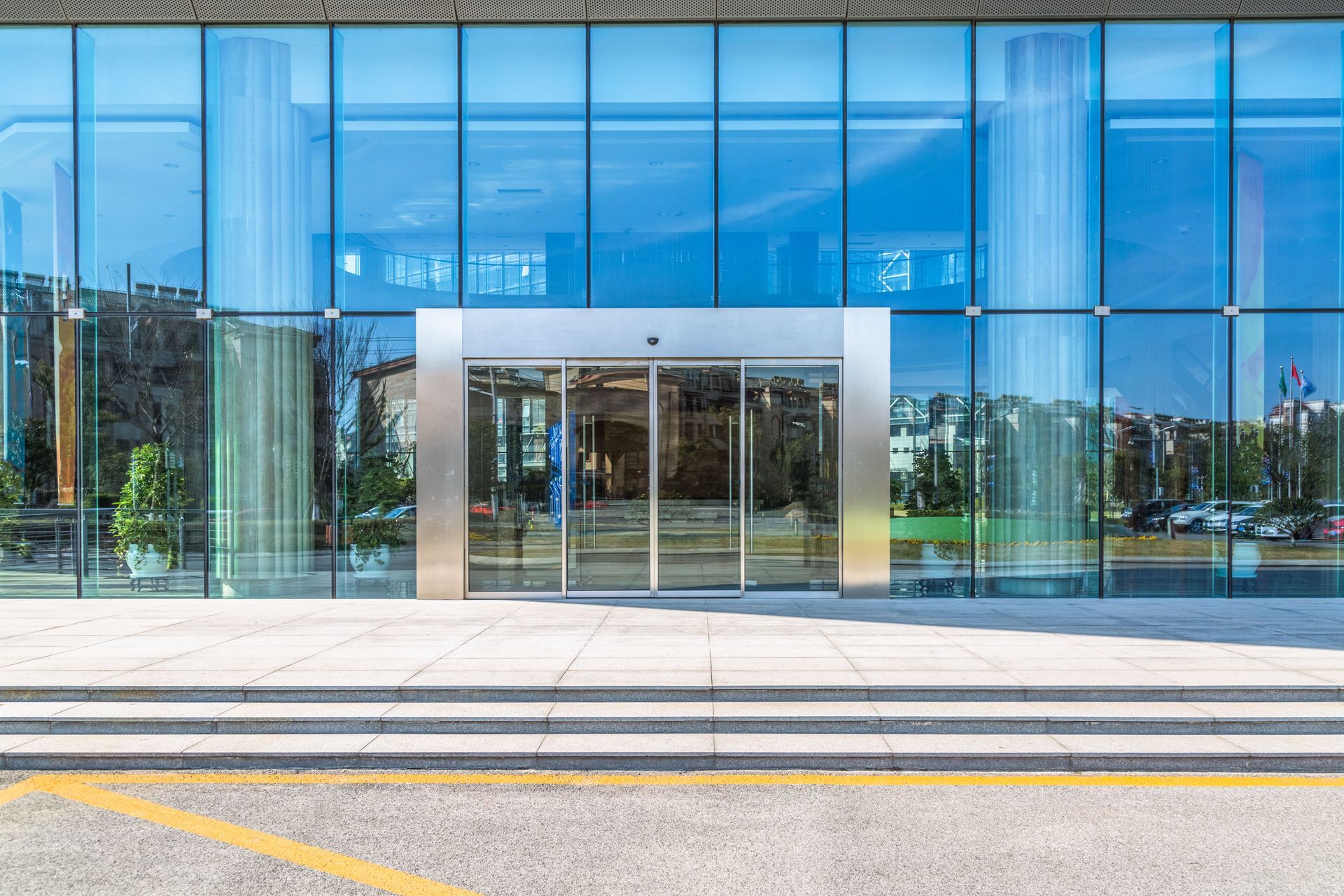
Automated sliding, swinging, and revolving doors contain sophisticated control boards, drive belts, safety sensors, and electric motors that require precise calibration. Postponing automatic door repair when motion sensors hesitate or drive belts begin to slip places extreme strain on the drive motor and processor. Technicians holding recognized industry credentials, such as AAADM certifications, follow rigorous diagnostic procedures to identify and correct internal component wear before complete electrical or mechanical breakdown occurs. Routine automatic door repairs preserve sensor sensitivity and extend the working lifespan of expensive drive equipment.
Maintaining reliable, secure, and compliant entrance systems requires prompt intervention whenever mechanical irregularities emerge. Delaying professional
entry door repair compromises facility security, invites life safety compliance liabilities, accelerates mechanical degradation, drives up energy expenses, and leads to costly emergency operational disruptions. Working with a dedicated commercial door company ensures that every door leaf, closer, pivot, and sensor functions properly under demanding daily usage. By prioritizing professional commercial door repair and ongoing commercial door services, facility managers can maintain code compliance, protect their building envelope, and provide safe, dependable access for everyone who walks through their doors. For dependable commercial entrance solutions and experienced assistance with all your commercial door needs, contact Pad Door Systems Inc.