November 23, 2026
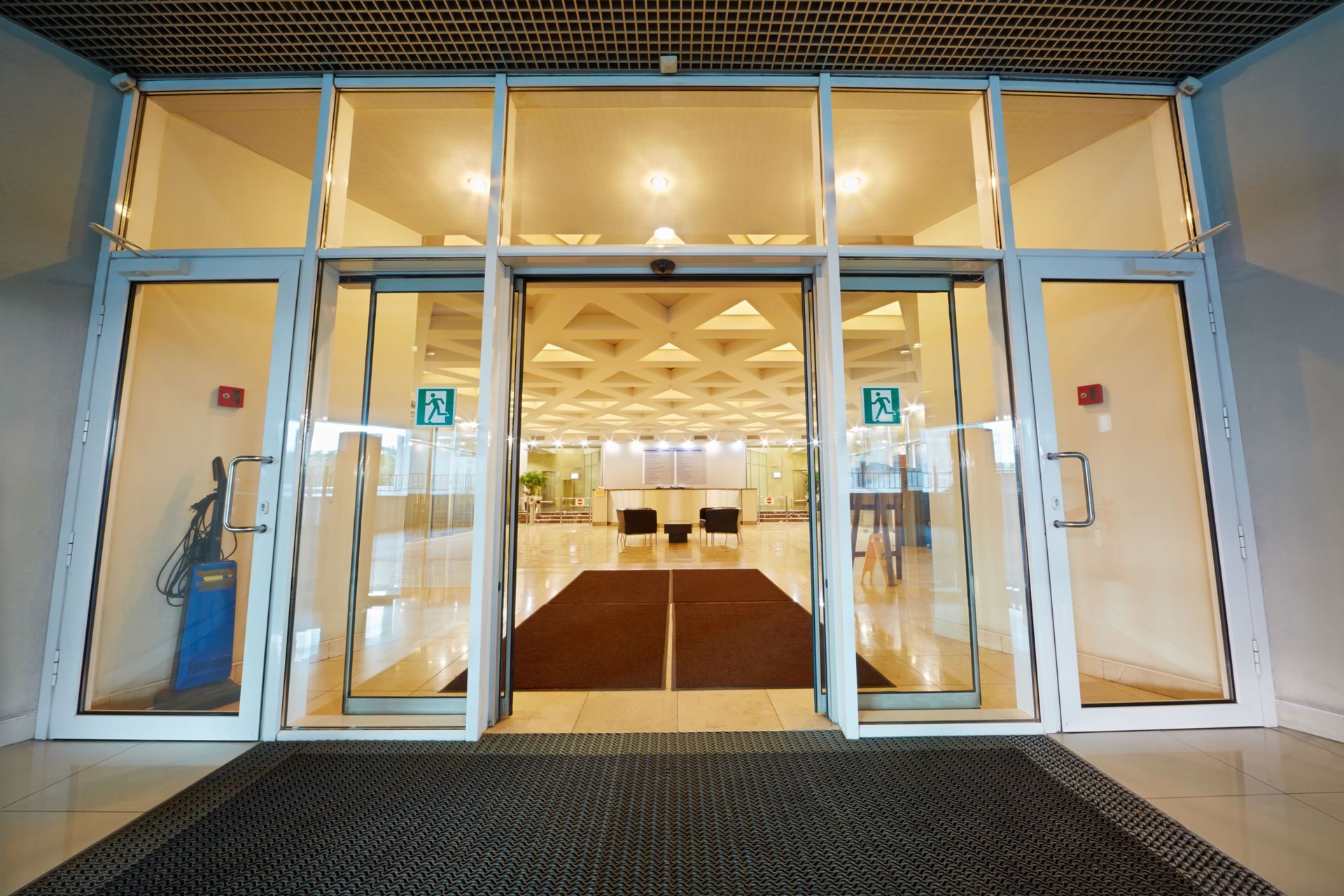
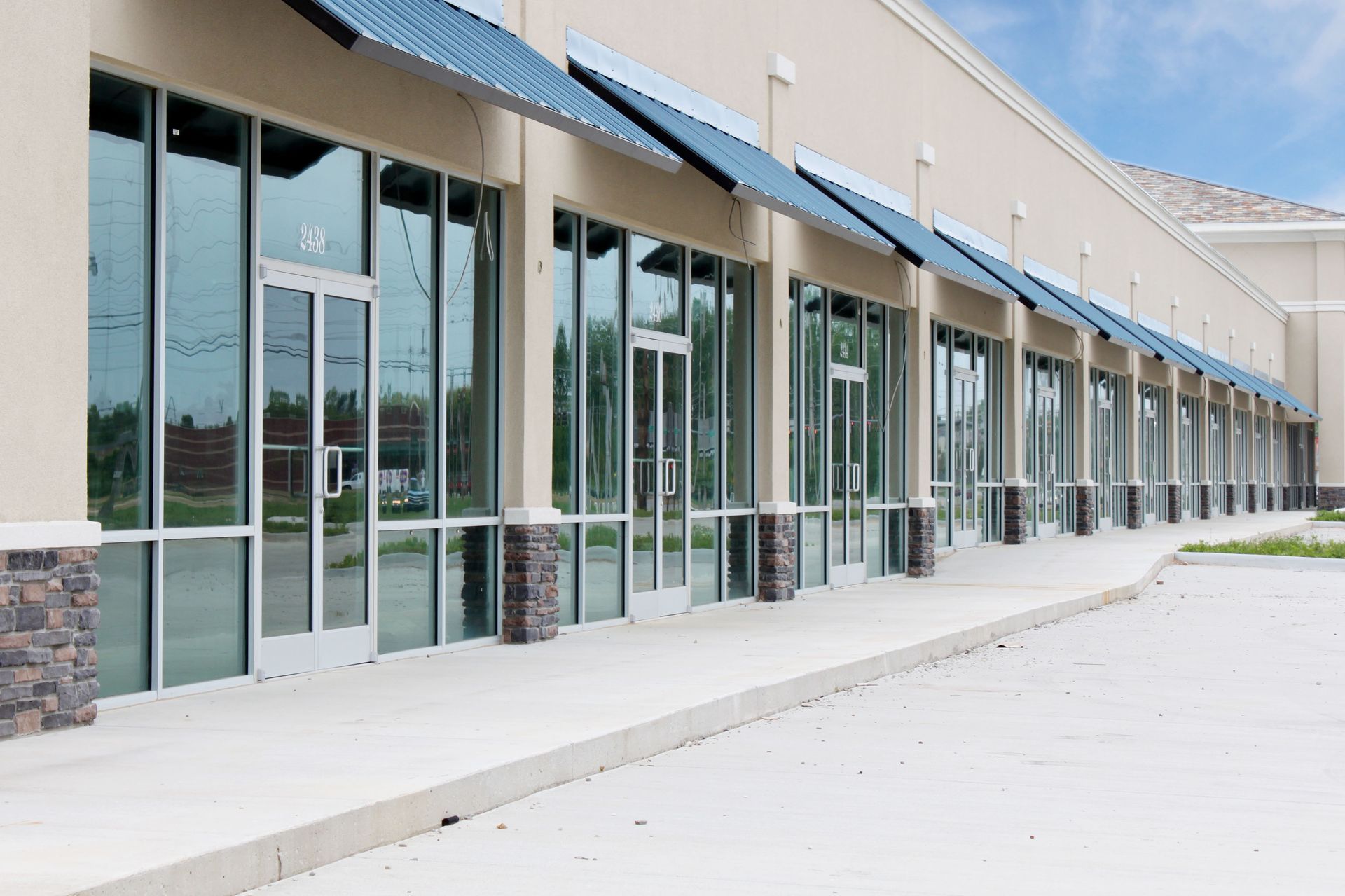
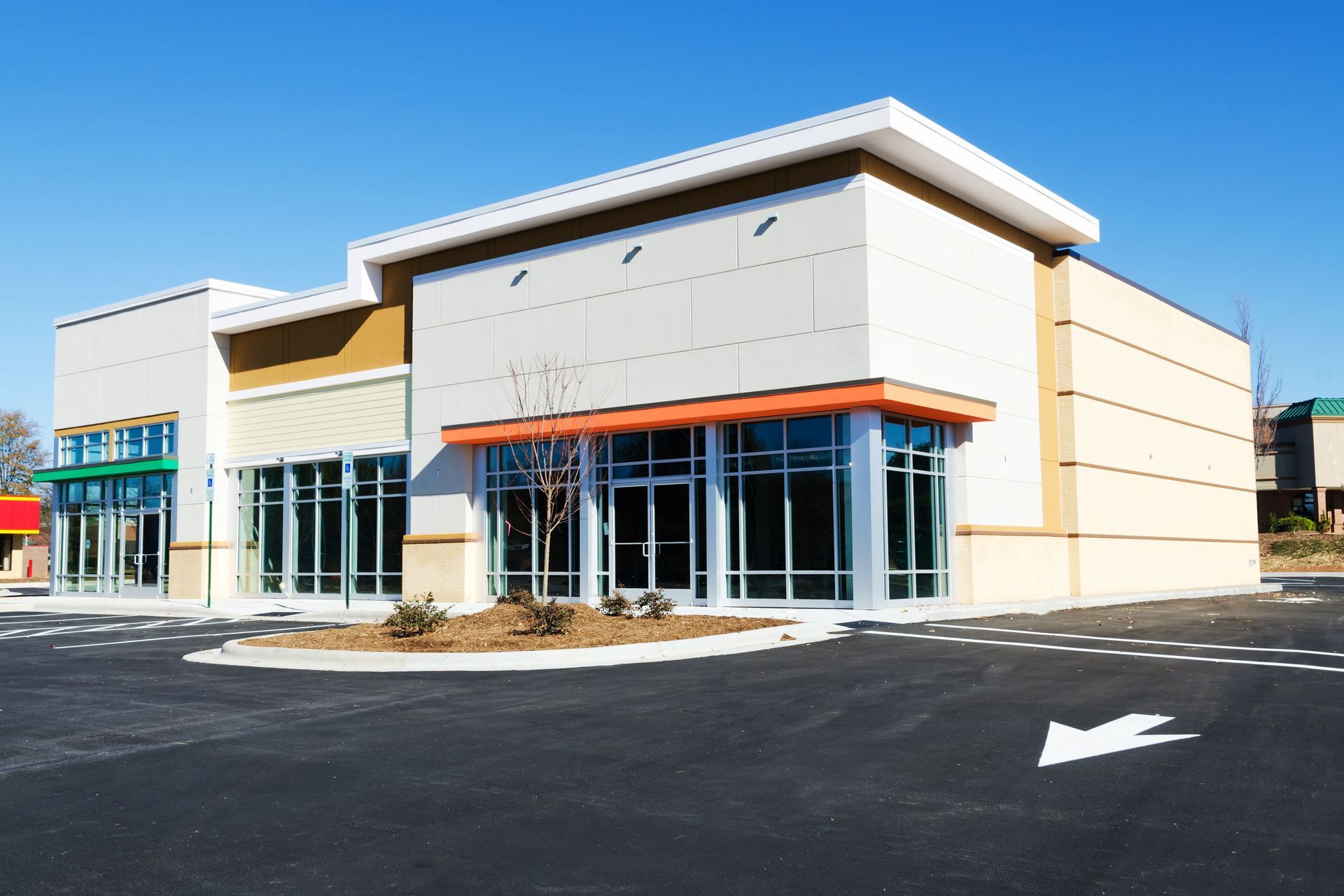
Commercial sliding entry doors provide convenient access and create welcoming entrances for businesses. However, frequent use can lead to mechanical, structural, and electronic problems that interfere with their operation. When these issues go unaddressed, they can affect customer experiences, compromise security, and disrupt business activities. Understanding common problems and recognizing their warning signs can help businesses maintain reliable entryways and determine when professional entry door repair is necessary.
According to Market.us, sliding doors dominated the automatic door market by type segment with 45.5%, driven by their widespread use in commercial and residential buildings. With so many businesses relying on these systems, understanding proper maintenance and repair practices is essential for preserving their functionality.
From track misalignment to sensor malfunctions, several problems can affect commercial sliding doors. Knowing what causes these issues and when to seek professional assistance can help businesses avoid unexpected equipment failures.
Track Misalignment
Common Causes of Misalignment
Track misalignment can interfere with the smooth movement of commercial sliding doors. Dirt, debris, loose hardware, and everyday wear can gradually affect the track's position. Frequent opening and closing in busy commercial environments can accelerate component wear and contribute to alignment problems.
Physical damage is another possible cause. Heavy objects striking the track or excessive force applied to the door can create bends and dents. Improper installation can also lead to alignment issues, particularly when tracks are not securely fastened or positioned correctly.
Warning Signs and Symptoms
Grinding, scraping, or rattling sounds can indicate that a sliding door is no longer moving properly. Businesses might also notice that the door wobbles, moves unevenly, or requires additional effort to open and close.
Visual signs include crooked panels, uneven gaps, and visible track damage. In more serious cases, the door might become stuck halfway or fail to close completely. These problems can create accessibility and security concerns, making timely entry door repair important for maintaining a dependable entrance.
Repair and Adjustment Methods
Correcting minor track problems begins with inspecting the track for dirt, obstructions, and loose hardware. Cleaning away debris and tightening accessible mounting screws may improve movement. A level can help identify uneven sections, while replacement hardware may be necessary when existing fasteners are damaged.
Visibly bent tracks, significant alignment problems, and unstable door panels require additional attention. Professional technicians can evaluate the assembly, determine whether adjustments or replacement parts are needed, and restore proper operation.
Addressing alignment problems early can also reduce the likelihood of more extensive entry door repair. Businesses that notice changes in door movement should arrange an inspection before additional components become damaged.
Preventative Maintenance Practices
Regularly cleaning tracks and inspecting mounting hardware can help prevent alignment problems. Businesses should watch for changes in door movement and address unusual sounds before they develop into more significant concerns.
Periodic professional inspections can identify developing problems and worn components. Training employees to avoid forcing automatic doors also helps reduce unnecessary damage.
Door Sticking or Jamming
Common Causes of Sticking
Sticking or jamming can make commercial sliding doors difficult to operate. One common cause is the accumulation of dirt, dust, and debris inside the tracks. These materials create friction and prevent rollers from moving freely.
Worn rollers are another potential source of trouble. Repeated movement can damage these components, making it harder for the door to travel smoothly. Damaged frames, warped panels, and loose hardware can also interfere with movement.
Insufficient lubrication may contribute to the problem as well. Moving components need appropriate lubrication to minimize friction and reduce premature wear.
Immediate Troubleshooting Solutions
When a sliding door begins sticking, check for visible obstructions. Removing loose dirt and debris from accessible track areas may improve movement. A vacuum or soft cleaning tool can help clear accumulated material without damaging components.
Lubrication may also resolve minor friction problems. Businesses should use a lubricant approved by the manufacturer rather than products that attract additional dust and debris.
If the door continues to stick, avoid repeatedly forcing it open or closed. Doing so can strain the motor, rollers, and track. Persistent problems may require professional entry door repair to identify damaged components and restore safe operation.
Long-Term Repair Solutions
Long-term solutions often involve replacing worn rollers, repairing damaged tracks, or correcting alignment problems. Although cleaning and lubrication can address some maintenance concerns, deteriorated components generally require replacement.
Professional inspections can help businesses determine which parts need attention. Technicians can also evaluate whether the existing door system is appropriate for the property's traffic levels. Choosing compatible replacement components and ensuring proper installation supports consistent operation.
Timely entry door repair can help businesses avoid repeated operational problems and maintain dependable access for employees, customers, and visitors.
Ongoing Maintenance Recommendations
Consistent maintenance helps reduce sticking and jamming. Businesses should establish cleaning schedules based on how frequently their doors are used and how much debris accumulates in the surrounding environment.
Inspections should include tracks, rollers, panels, and other moving components. Keeping records of repairs and replacements can also help identify recurring problems and guide future maintenance decisions.
Motor and Sensor Malfunctions
Common Motor Problems
The motor powers the automatic opening and closing functions of commercial sliding doors. Problems with this component can prevent the entire system from operating correctly.
Motor malfunctions may develop because of excessive wear, electrical problems, overheating, or inadequate maintenance. Businesses might notice unusual noises, inconsistent opening speeds, or doors that stop moving unexpectedly. In some cases, the motor may fail to respond altogether.
Keeping the motor free from excessive dust and moisture can help protect its components. Regular inspections can also reveal unusual vibration or inconsistent performance.
Identifying Sensor Issues
Automatic sliding doors rely on sensors to detect approaching individuals and activate the opening mechanism. When these sensors malfunction, the door may fail to open, remain open too long, or close unexpectedly.
Dirty sensor surfaces, physical obstructions, and improper positioning can interfere with detection. Electrical connection problems and damaged components may also prevent the system from responding correctly.
Basic troubleshooting includes checking for obstructions and ensuring sensor surfaces are clean. However, electrical problems and persistent detection failures require professional evaluation. Technicians can inspect connections, test performance, and determine whether adjustments or replacement components are necessary.
Repairing Motor and Sensor Components
Motor and sensor repairs require attention to mechanical and electrical components. A technician may examine wiring, control systems, power connections, and the motor assembly to determine the source of the malfunction.
Depending on the findings, repairs may involve correcting electrical connections, replacing damaged sensors, adjusting detection settings, or installing a replacement motor. Proper calibration is important because these components must work together for consistent operation.
Attempting complicated electrical repairs without appropriate training can create additional problems and safety concerns. Professional entry door repair helps ensure malfunctioning components receive proper attention and the system is tested after service.
Preventing Future Malfunctions
Routine inspections can help businesses identify motor and sensor problems before they cause complete system failures. Keeping sensor areas clean, checking for unusual sounds, and monitoring changes in opening and closing speeds are useful maintenance practices.
Businesses should also follow manufacturer recommendations for servicing electrical and mechanical components. Professional maintenance can help identify developing issues and verify that safety features function correctly.
Including electrical and sensor components in routine entry door repair and maintenance evaluations helps businesses identify potential failures before they interrupt daily operations.
Reliable Commercial Sliding Door Maintenance
Recognizing When Repairs Are Necessary
Not every sliding door problem requires extensive repairs, but recurring operational issues should never be ignored. Grinding noises, inconsistent movement, delayed sensor responses, and incomplete closing can indicate problems that may become more serious over time.
Businesses should seek professional assistance when basic maintenance does not resolve an issue or when the door shows signs of structural, mechanical, or electrical damage. Prompt attention can help prevent further deterioration and reduce unexpected interruptions.
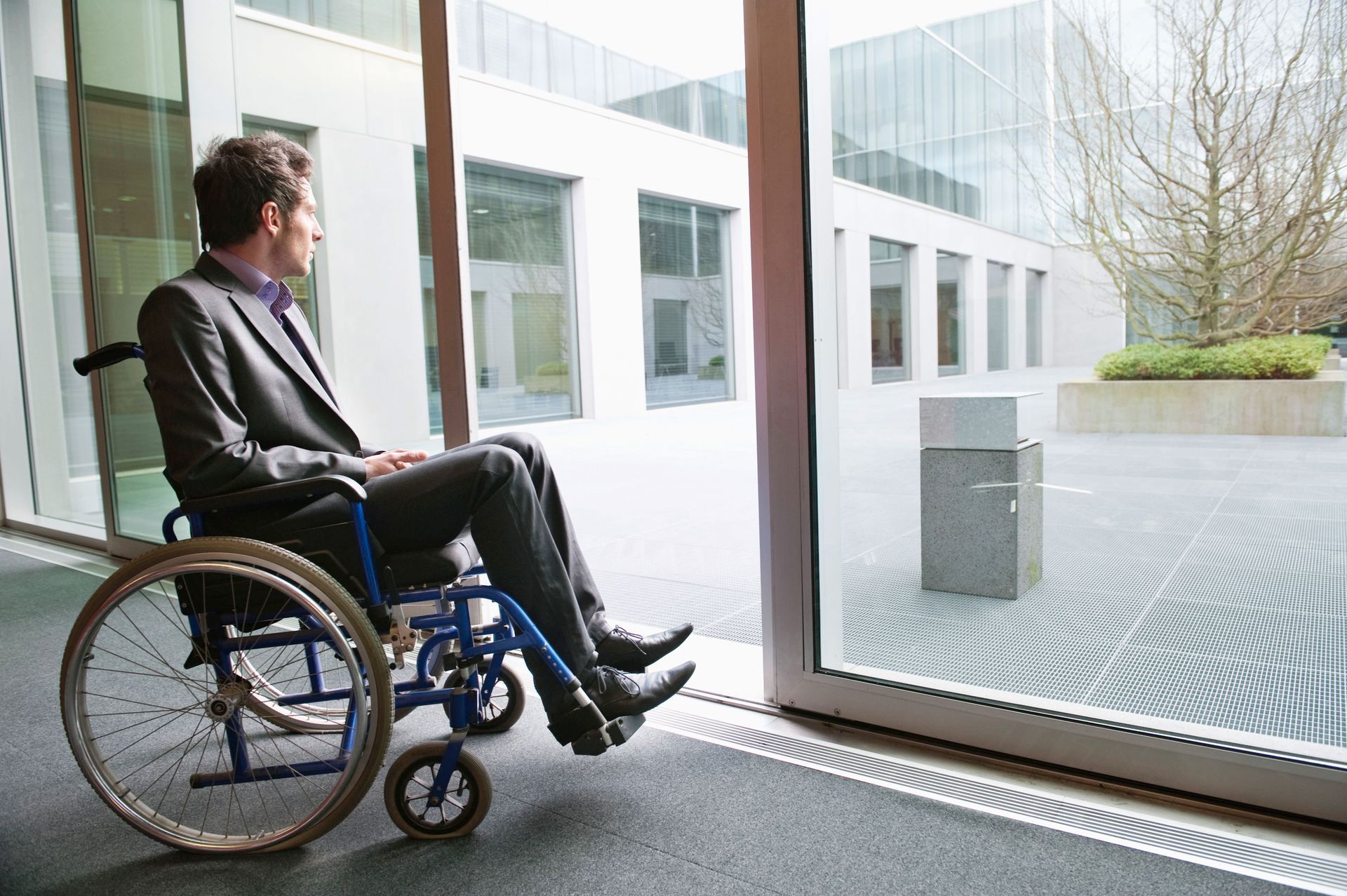
Commercial sliding doors play an important role in maintaining accessible, convenient, and secure business entrances. Addressing track misalignment, sticking, and motor or sensor malfunctions promptly helps preserve performance and minimize operational disruptions.
When your commercial sliding doors develop persistent problems, professional assistance can help restore dependable operation. Pad Door Systems, Inc can help businesses address their entry door repair needs and maintain functional commercial entrances. Contact the company to discuss your door concerns and explore appropriate repair solutions for your facility.