March 11, 2026
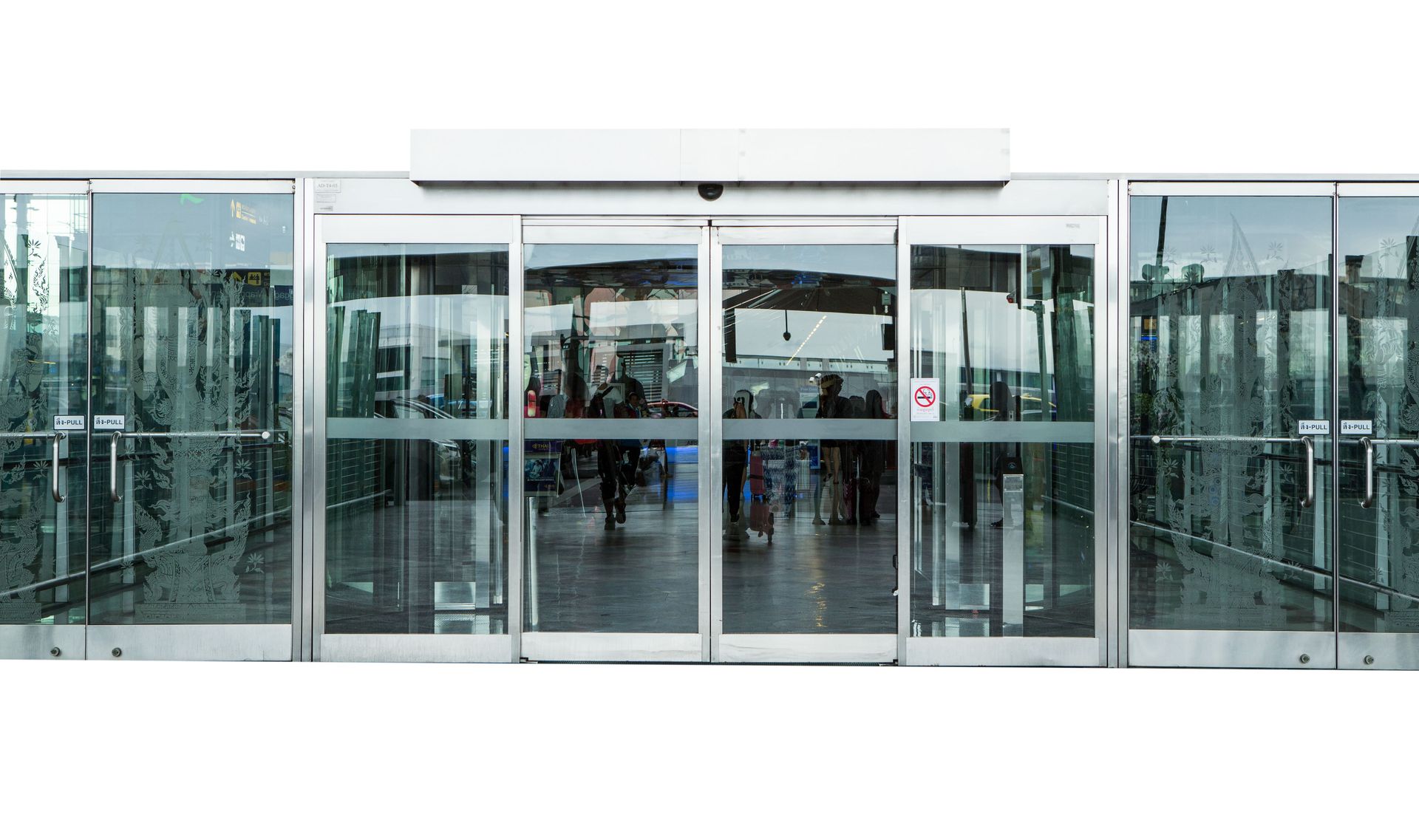
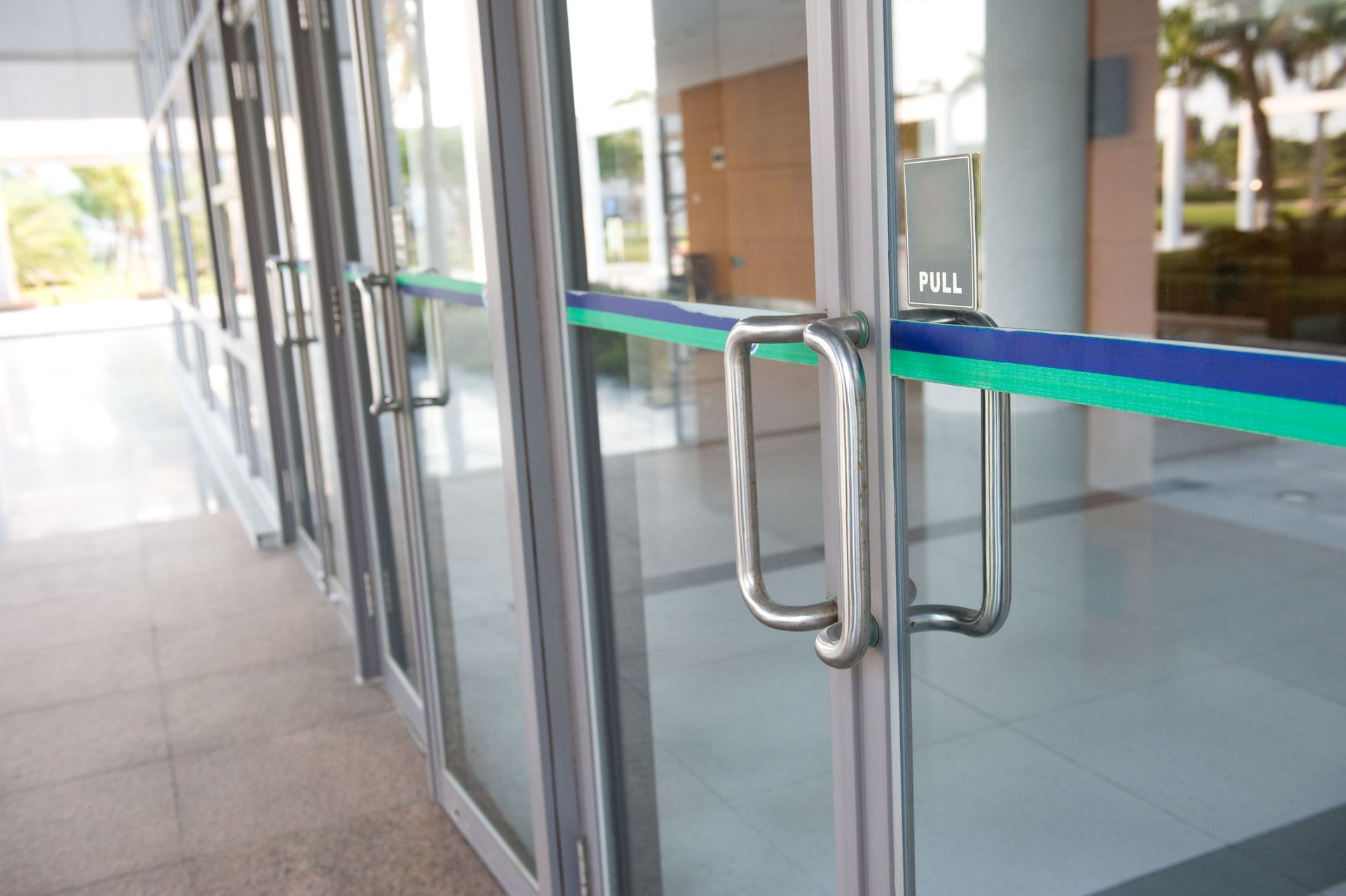
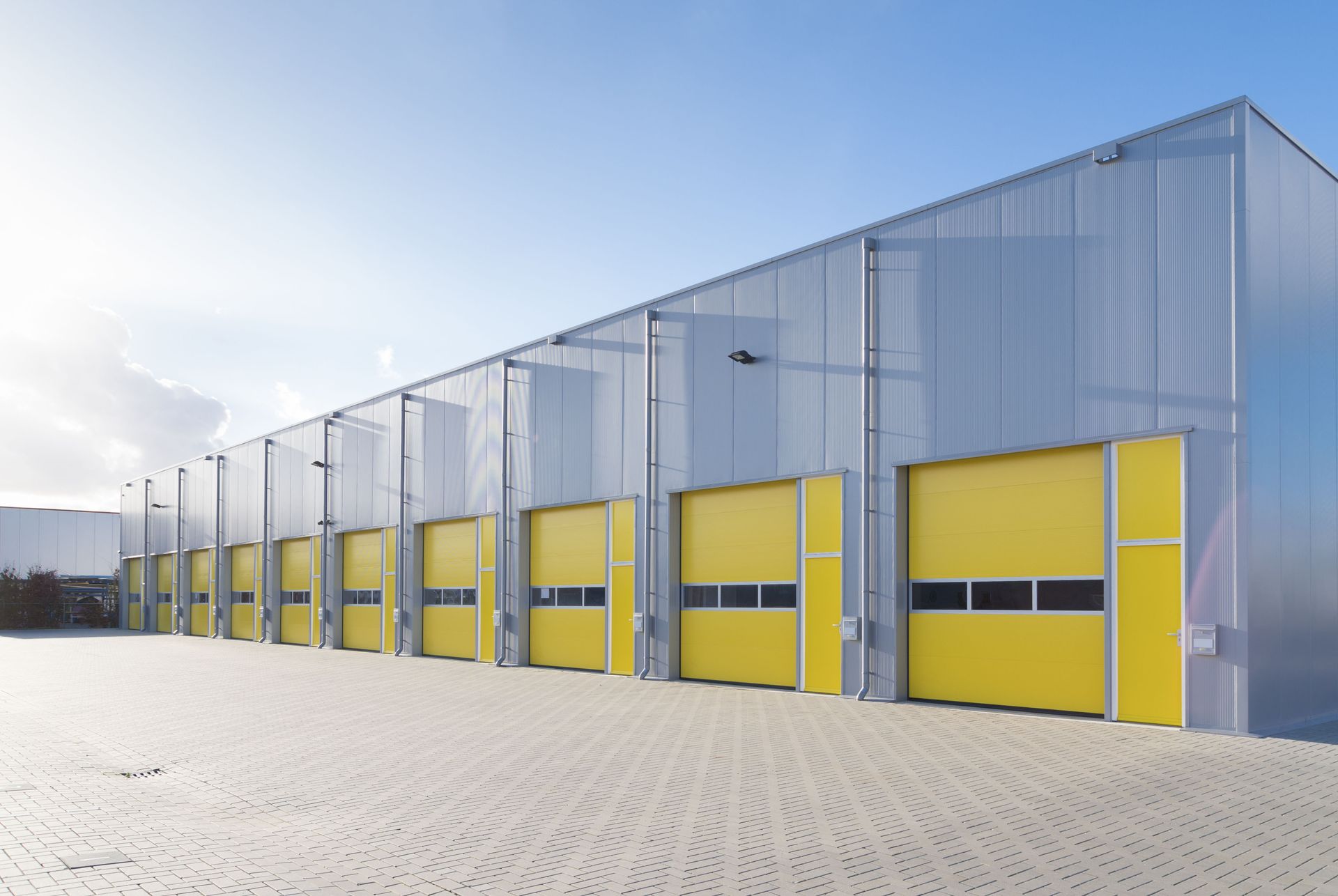
Automatic doors are becoming increasingly common across industries, driven by advances in technology and a demand for convenience, safety, and efficiency. From retail stores to healthcare facilities, these doors offer benefits that extend beyond aesthetics, impacting accessibility, energy use, and overall customer experience. This article explores the advantages, challenges, and considerations for businesses evaluating automatic door installation and automatic door repair needs.
Benefits of Automatic Doors
Enhanced Accessibility
Automatic doors significantly enhance accessibility for all, especially individuals with disabilities. In compliance with the Americans with Disabilities Act (ADA), businesses must ensure their premises are accessible to everyone, and automatic doors contribute effectively to this mandate. These doors eliminate the physical barrier posed to those who are differently abled, including individuals in wheelchairs or those carrying heavy items. As accessibility becomes a priority, automatic doors help businesses demonstrate social responsibility and inclusivity. According to the American Association of Automatic Door Manufacturers, 98.9% of consumers prefer automatic doors, showing a clear inclination towards ease of use.
Improved Energy Efficiency
Automatic doors contribute to energy efficiency by reducing the loss of heated or cooled air. Unlike manual doors, which may inadvertently remain open longer, automatic doors are programmed to open and close promptly. This operational efficiency directly correlates to energy cost savings, particularly in areas with high foot traffic. Businesses can expect to see noticeable reductions in their utility bills, as these doors minimize the strain on HVAC systems. For establishments aiming for sustainability, automatic doors offer a tangible method to achieve energy conservation goals.
Better Hygiene
The hygienic benefits of automatic doors are being realized more than ever in the post-pandemic world. These doors eliminate the need for direct contact, thereby reducing the transmission of germs and bacteria. Spaces like hospitals and food establishments benefit greatly from this feature, maintaining hygiene and supporting health protocols. This aspect of touchless technology appeals to health-conscious consumers and enhances the reputation of businesses as safe environments. Moreover, automatic doors can integrate with sanitation systems for added protection and cleanliness.
Increased Security
Automatic doors can significantly bolster security measures in commercial settings. Advanced sensor technologies and control systems allow for automated locking features during off-hours, reducing the likelihood of unauthorized entry. Additionally, these doors can integrate with access control systems, ensuring only authorized personnel can gain entry to specific areas. Businesses can further customize security protocols based on their unique requirements, such as incorporating surveillance cameras. The combination of automation and security features offers businesses peace of mind and reliability.
Enhanced Customer Experience
Investing in automatic doors can lead to a markedly improved customer experience. These doors ease entry and exit transitions, especially in high-traffic areas, which can enhance customer satisfaction and retention. Shopping malls, airports, and hotels greatly benefit, as visitors appreciate the ease and convenience offered. The aesthetic appeal of automatic doors, with options for customization to reflect a brand’s identity, further elevates the customer experience. Businesses that prioritize customer comfort and convenience endear themselves to consumers, fostering loyalty and positive brand perception.
Industry Applications
Retail Sector
The retail sector is a prominent adopter of automatic doors, which enhance accessibility and shopping convenience. Stores utilize these doors to accommodate high foot traffic effectively and create welcoming entries for customers. Automatic doors help maintain energy efficiency and climate control in large retail spaces, preserving comfortable indoor environments. With heightened retail competition, businesses leverage automatic doors to differentiate themselves and address consumer preferences. This adoption not only meets practical needs but also aligns retailers with modern consumer expectations.
Hospitality Industry
The hospitality industry frequently implements automatic doors to elevate guest experiences. Hotels, restaurants, and resorts employ these systems to facilitate seamless arrivals and departures for guests, offering a welcoming ambience. Automatic doors in hospitality settings underscore luxury, efficiency, and attention to guest comfort and accessibility. Enhancing brand perception and guest satisfaction through these features can lead to improved brand reputation and guest loyalty. The hospitality sector’s emphasis on service excellence makes automatic doors an integral part of the guest-centric approach.
Healthcare Facilities
In healthcare facilities, automatic doors play a crucial role in maintaining accessibility and hygiene. Hospitals and clinics rely on these doors to eliminate touchpoints and ensure smooth transitions for patients, staff, and visitors. The automatic operation supports critical care needs, allowing for quick and unobstructed movement in emergency situations. This function aligns with healthcare priorities of safety, cleanliness, and efficiency. By incorporating automatic doors, healthcare facilities fulfill their commitment to patient care and operational excellence.
Transportation Hubs
Transportation hubs, including airports, train stations, and bus terminals, benefit considerably from automatic door systems. These high-traffic environments require efficient passenger flow and security assurances, features that automatic doors provide. Doors operate to promptly accommodate crowds, easing transitions for travelers and minimizing congestion. Additionally, their integration with security protocols ensures order and safety at these critical junctures. As global travel continues to expand, automatic doors align with the evolving demands of transportation infrastructure.
Challenges and Considerations
Technical Malfunctions
Despite many advantages, automatic doors are subject to occasional technical malfunctions. Sensor issues, power failures, and programming glitches can disrupt their functionality, requiring prompt automatic door repair. Regular maintenance and professional diagnostics are critical to minimizing downtime and addressing potential problems efficiently. Businesses must consider technical reliability, investing in reputable systems and service contracts to ensure optimal performance. Balancing these concerns with the benefits remains an ongoing aspect of managing automatic door systems effectively.
Security Concerns
The automation of access features in door systems can present unique security challenges. Vulnerabilities in digital control systems may expose automatic doors to unauthorized access or breaches. Enhanced security measures, including dual authentication and regular software updates, help mitigate these risks. Strategic planning and state-of-the-art technology integrations ensure that automatic doors reinforce rather than compromise security protocols. Businesses prioritize security considerations in their decision-making process to maintain comprehensive, sustainable operations.
Advances in Safety Features
Safety advancements in automatic doors address security concerns and operational reliability. Modern doors feature sensors that prevent accidental closures and ensure user safety. Enhanced locking mechanisms further improve security protocols, preventing unauthorized access and potential breaches. These features align with safety regulations and provide business owners with peace of mind regarding both security and compliance. The advent of more sophisticated safety technologies continues to push the capabilities of automatic door systems.
Customer Perception and Acceptance
The installation of automatic doors impacts customer perception and acceptance, shaping visitor experiences and brand impressions. Many consumers appreciate the convenience and modernity of automatic doors. Businesses must consider user preferences, ensuring doors provide intuitive, reliable experiences that align with brand imagery. Engaging customers through clear signage and guides facilitates acceptance and enhances overall interactions with automatic doors. Achieving a favorable customer perception supports enhanced brand loyalty and positive word-of-mouth promotion.
Initial Installation Costs
One of the primary cost considerations for automatic doors is the initial installation investment. These upfront costs can vary depending on the door type, technology used, and additional customization requirements. While automatic doors generally demand a higher initial investment than traditional doors, the long-term benefits often outweigh these expenses. Businesses should evaluate cost-effective options that still deliver on quality and performance. Proper budgeting and financial planning are essential to accommodate this initial outlay effectively. Businesses should also consider potential future expenses, including routine maintenance and automatic door repair, when evaluating long-term investment value.
Maintenance Expenses
Automatic door repair can also impact overall cost-effectiveness. Regular inspections, parts replacement, and timely automatic door repair ensure optimal functionality and prolonged door life. Although these ongoing costs can add up, a well-maintained door system incurs fewer unexpected expenses. A proactive maintenance strategy helps anticipate automatic door repair and manage costs, preventing system failures and extending functionality. Trusting reliable service providers and establishing maintenance contracts can further optimize these recurring costs.
Automatic doors offer significant advantages, from enhanced accessibility and energy efficiency to improved hygiene, security, and customer experience. While upfront costs and maintenance requirements are considerations, the long-term benefits across retail, hospitality, healthcare, and transportation sectors often outweigh these challenges. For businesses seeking convenience, safety, and a modern edge, investing in automatic doors can provide both operational and customer-focused value. To ensure your investment continues to perform reliably, contact Pad Door Systems, Inc to schedule automatic door repair and maintenance services today.