May 7, 2026
Modern facilities depend on reliable entry systems, and well-planned commercial door services play a central role in keeping businesses secure, efficient, and compliant. From warehouses and retail spaces to office complexes and industrial sites, doors are no longer simple entry points—they are integrated systems that influence safety, energy use, and daily operations. As technology evolves, so do expectations for performance, durability, and smart functionality in commercial environments.
For business owners and facility managers, investing in professional door services means more than installation. It includes long-term planning for security upgrades, accessibility improvements, and maintenance strategies that support uninterrupted operations. Understanding how these systems work helps organizations make informed decisions that protect assets while improving workflow and customer experience.
1. Strengthen Security in Commercial Doors
Security is one of the most important functions of commercial doors, especially in environments where assets, inventory, and personnel must be protected. Modern door systems incorporate reinforced steel frames, impact-resistant materials, and multi-point locking mechanisms that significantly reduce the risk of forced entry. These structural upgrades are essential in high-traffic and high-value facilities.
Advanced security technologies are also becoming standard. Smart locks, biometric access, RFID systems, and centralized control panels allow businesses to regulate entry with precision. Motion sensors and integrated alarms further strengthen protection by detecting unauthorized activity and triggering real-time alerts.
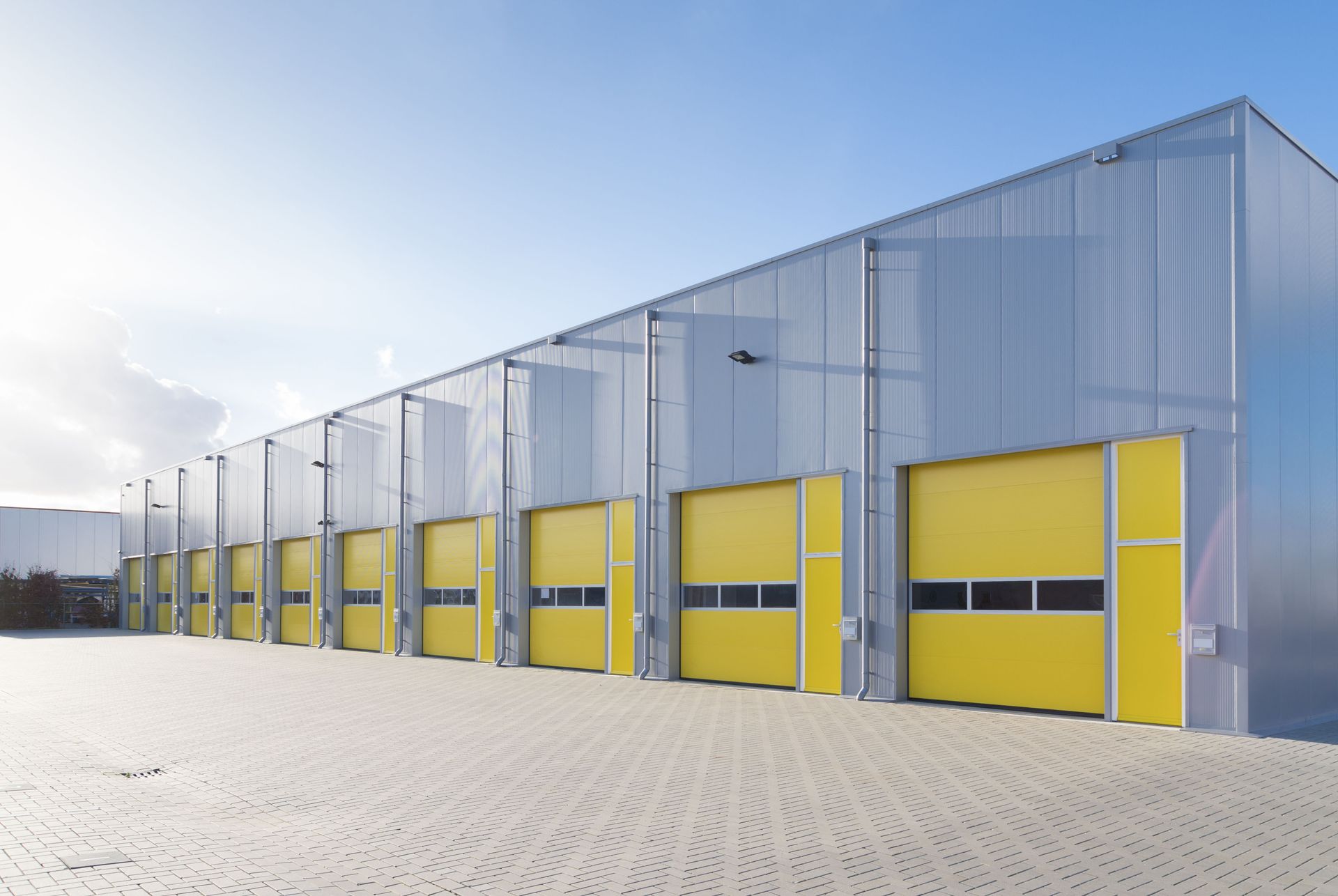
Durability is another key factor, particularly in industrial settings. High-performance roll-up systems are widely used in loading zones and warehouses because they withstand constant use and environmental stress. According to Mordor, roll-up doors, projected to grow at a 5.31% CAGR to 2031, appeal to high-traffic commercial docks due to their resilience and efficiency in demanding operations. This growing demand reflects how critical strong, durable commercial doors are for modern logistics and distribution networks.
Case studies across industries show measurable improvements in security after upgrading door systems. Facilities that integrate layered access control and reinforced entry points consistently report fewer unauthorized access incidents and improved operational oversight.
2. Enhance Accessibility in Commercial Doors
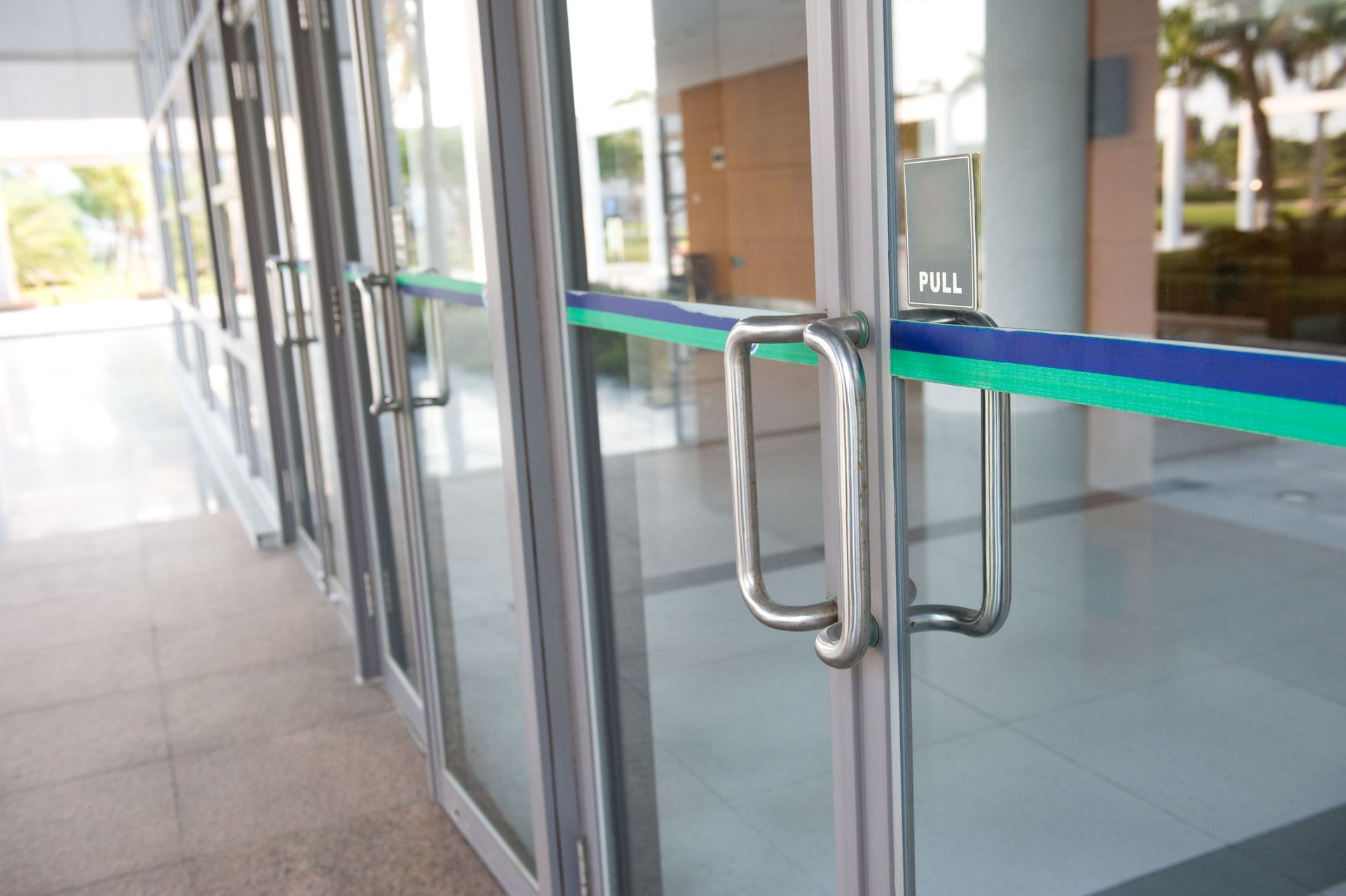
Accessibility is a defining feature of modern commercial doors, ensuring that facilities are usable by all individuals, including employees, customers, and visitors with mobility challenges. Compliance with accessibility standards such as ADA requirements helps businesses create inclusive environments while meeting legal obligations.
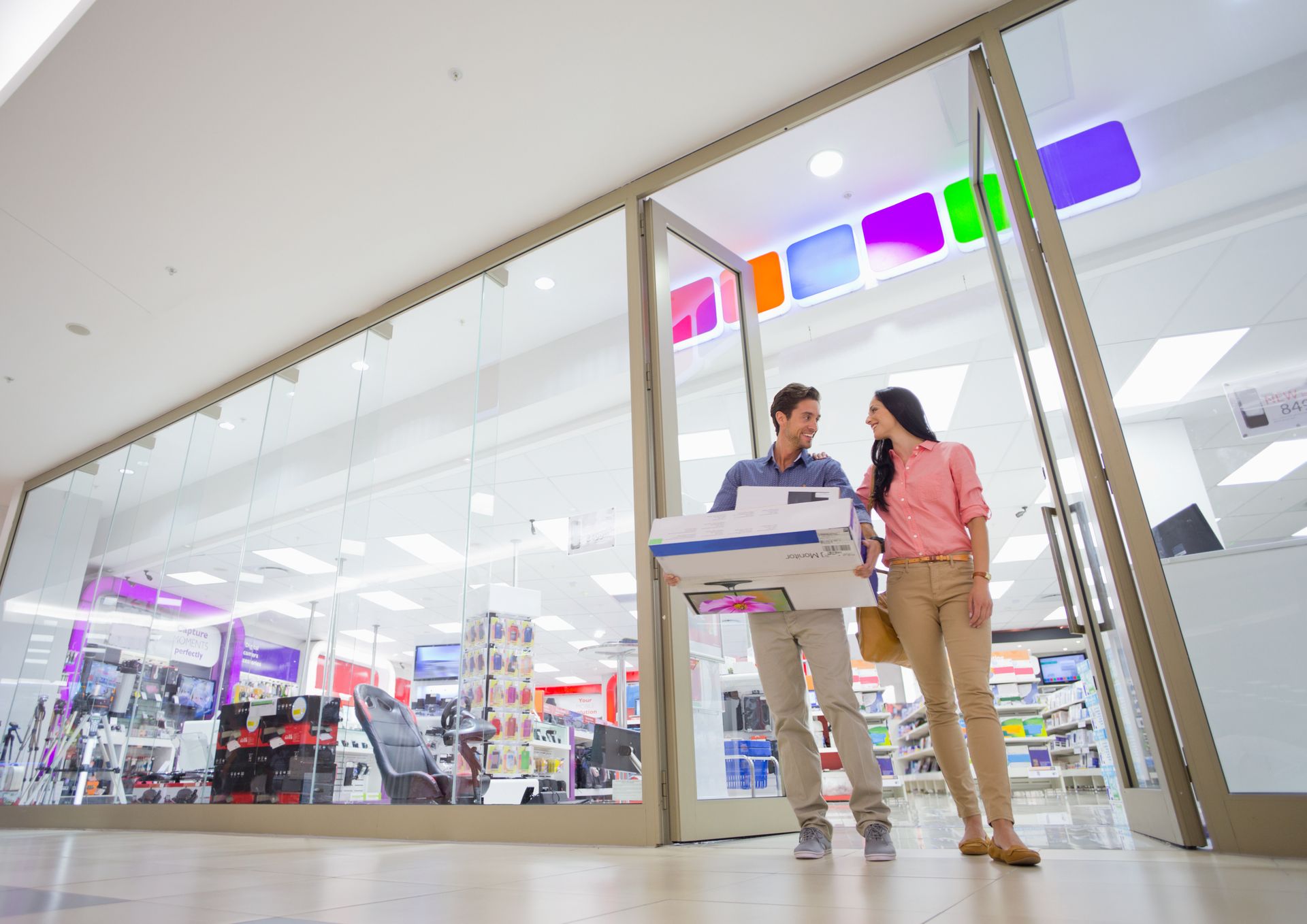
Automatic entry systems are a major advancement in this area. Motion-activated sliding and swinging doors allow hands-free access, improving movement flow in hospitals, offices, and retail environments. In commercial doors, these systems also support energy efficiency by reducing the time doors remain open, helping maintain stable indoor temperatures.
Customization plays a significant role in accessibility planning. Adjustable entry widths, height modifications, and touchless controls allow businesses to tailor solutions to specific operational needs. These adaptable features ensure that commercial door services can accommodate a wide range of users while maintaining design consistency and functionality.
Accessibility trends continue to evolve with innovations such as voice-activated entry and AI-assisted controls. These technologies reduce physical barriers and create more intuitive user experiences. As expectations grow, businesses increasingly rely on advanced commercial doors to remain both compliant and competitive.
3. Improve Aesthetics in Commercial Doors
Aesthetics have become an essential consideration in commercial doors, as entryways often form the first impression of a business. Modern designs blend functionality with visual appeal, helping companies reinforce branding and create welcoming environments.
Custom design options allow businesses to incorporate logos, color schemes, and architectural themes directly into door systems. This level of personalization ensures that commercial doors contribute to brand identity while maintaining durability and performance standards.
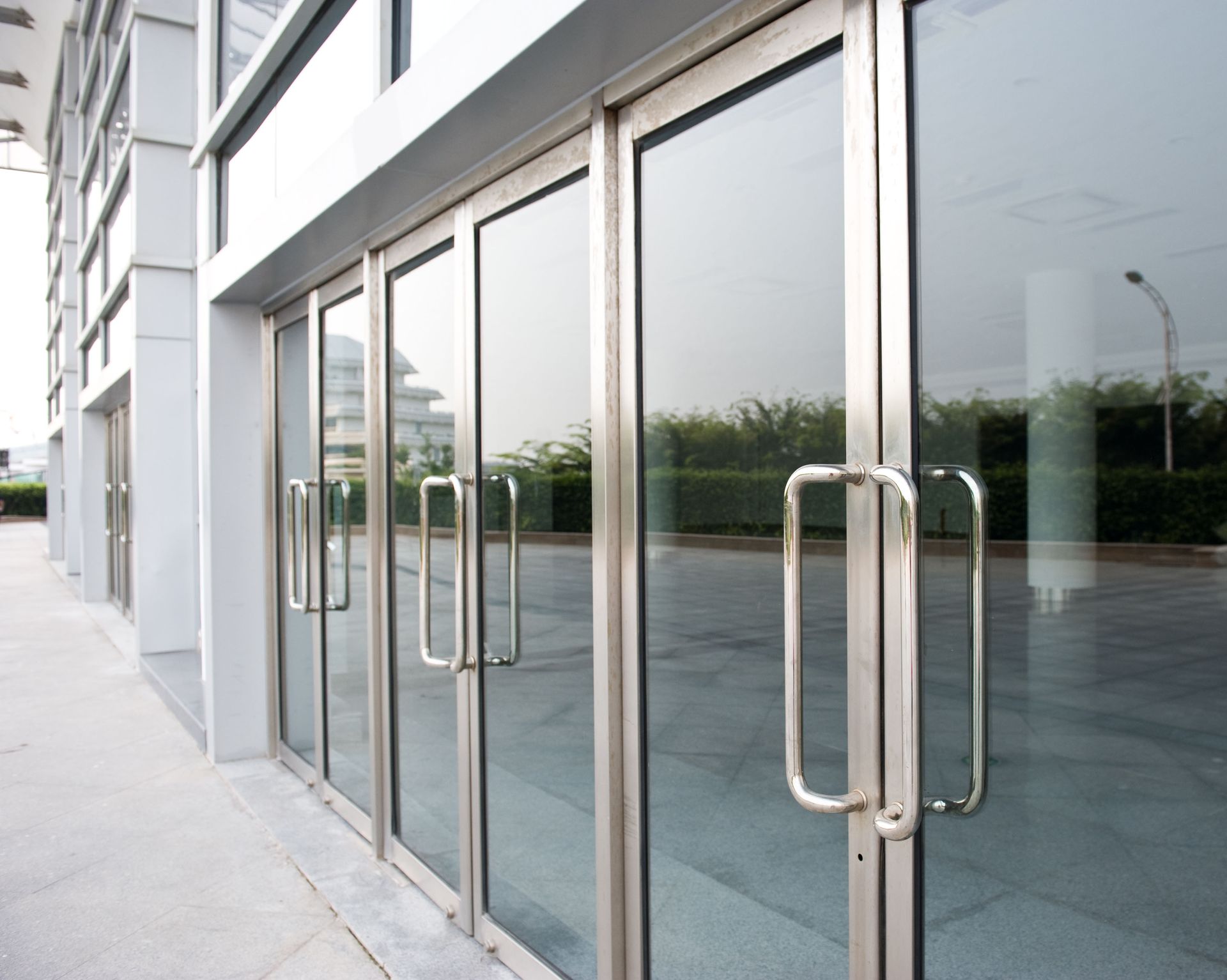
Material selection also influences appearance and functionality. Glass, stainless steel, and composite materials are commonly used to achieve a balance between transparency, strength, and modern styling. In commercial door services, these materials help create professional, polished entry points that align with contemporary architectural trends.
Color and finish options further enhance design flexibility. Powder-coated metals and textured finishes offer both aesthetic appeal and resistance to wear. As a result, commercial doors contribute not only to building performance but also to customer perception and brand credibility, making them a strategic investment in overall business presentation.
4. Ensure Compliance in Commercial Doors
Compliance is a critical component of commercial door services, ensuring that installations meet safety codes, accessibility regulations, and industry standards. Building codes govern everything from structural integrity to fire resistance, making adherence essential for legal and operational security.
Fire-rated doors are particularly important in commercial environments. These systems are designed to slow the spread of smoke and flames, giving occupants valuable time to evacuate during emergencies. Within commercial doors, certified fire doors are a standard requirement for many building types and significantly reduce liability risks.
Accessibility regulations also play a major role in compliance. ADA standards require appropriate door widths, hardware placement, and automated entry solutions to support individuals with disabilities. Meeting these requirements through professional commercial doors helps businesses avoid penalties while promoting inclusivity.
International operations add another layer of complexity, as regulations vary by region. Companies working across multiple jurisdictions must adapt their door systems accordingly. Insurance providers also factor compliance into risk assessments, meaning properly maintained commercial doors can directly influence coverage and cost structures.
5. Increase Energy Efficiency in Commercial Doors
Energy efficiency is a growing priority in commercial door services, as businesses seek to reduce operational costs and environmental impact. Proper insulation is one of the most effective ways to improve performance, minimizing heat transfer between indoor and outdoor environments.
Sealing systems also play a key role. Weather stripping and advanced gaskets help eliminate air leaks, maintaining consistent indoor temperatures and reducing strain on HVAC systems. In commercial doors, these enhancements contribute to long-term energy savings and improved building performance.
Smart technologies are further transforming efficiency standards. Automated systems, energy-responsive glass, and integrated control mechanisms adjust performance based on environmental conditions. These innovations allow commercial doors to actively support sustainability goals while maintaining operational reliability.
Government incentives in many regions encourage businesses to adopt energy-efficient upgrades, making advanced door systems more accessible. In addition, industry trends continue to prioritize sustainable design. For example, the increasing adoption of high-performance rolling systems in logistics facilities highlights how energy-conscious commercial doors are shaping modern infrastructure development.
6. Extend Maintenance and Longevity in Commercial Doors
Maintenance is essential for maximizing the lifespan of commercial door services and ensuring consistent performance. Regular inspections help identify wear, alignment issues, and mechanical failures before they become costly problems. Preventive maintenance reduces downtime and supports uninterrupted business operations.
Technology has improved maintenance efficiency through IoT sensors and predictive monitoring systems. These tools track door performance in real time and alert facility managers to potential issues. Within commercial doors, this shift toward proactive maintenance reduces emergency repairs and improves long-term reliability.
Common repair needs include motor replacement, track adjustments, and sensor recalibration. Addressing these issues promptly helps maintain safety and operational flow. Cost-effective maintenance strategies ensure that commercial door services remain a valuable long-term investment rather than a recurring liability.
Training facility staff also improves maintenance outcomes. When managers understand basic diagnostics and upkeep procedures, minor issues can be resolved quickly. This supports the overall effectiveness of commercial doors across all types of commercial environments.
Modern facilities rely on integrated systems that combine security, accessibility, efficiency, and design. Well-managed door services support all of these priorities, helping businesses operate more safely and effectively while adapting to evolving industry standards. From advanced access control to energy-efficient designs, these systems are essential for long-term operational success.
As commercial spaces continue to evolve, investing in reliable solutions ensures better performance, improved compliance, and enhanced user experience. If you are ready to upgrade your facility with professional solutions, we can help you design and implement the right system for your needs with Pad Door Systems, Inc.